
UK Budget: What Chancellor Rachel Reeves' plans mean for Scotland - two-child benefit cap, North Sea, bills

The Chancellor has announced her spending plans - and here are the key impacts for Scotland
Rachel Reeves has delivered her UK Budget, after a chaotic build-up and an unprecedented leak by watchdog, the Office for Budget Responsibility (OBR) before the Chancellor had begun setting out her plans.
The Budget has been billed as a make-or-break moment for the Labour UK government. Sir Keir Starmer’s administration has endured dire polling and, based on recent survey results, appears on course to lose elections at Holyrood, Cardiff and local elections in England next May.
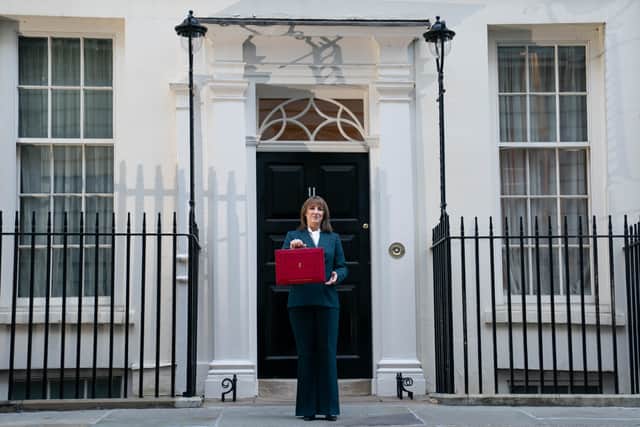
Here are the key points for Scotland in Ms Reeves’ Budget at a glance.
Scottish Government funding
The Chancellor has confirmed the Scottish Government will receive extra funding, a decision she claimed was “because [Scottish Labour leader] Anas Sarwar asked us to”.
Ms Reeves announced “£820 million for the Scottish Government over the spending review period through the Barnett formula”, which is up to 2029 - an average of around £275m a year.
But that extra £820m is on top of the extra £9.1bn for Holyrood already committed during the spending review.
As previously revealed by The Scotsman, the Chancellor confirmed more than £14m of funding for low carbon technologies at Grangemouth. Ms Reeves also confirmed £20m to “renew infrastructure at Inchgreen in Inverclyde” and “£20m for Kirkcaldy town centre and seafront”.
Two-child benefit cap
This was one of many measures in Ms Reeves’ Budget that had been reported to the media in the lead-up.
The Chancellor has confirmed the controversial two-child benefit cap, which Labour has faced intense pressure from campaigners and the SNP for failing to scrap it, will be removed.
That will undoubtedly lead to a financial boost to the Scottish Government, which had already vowed to mitigate the policy itself from April. John Swinney’s Government should now receive funding from Westminster to do so, but that is likely to be included in that £820m of extra funding announced for Holyrood.
Ms Reeves said she was bringing forward “removal of the two-child benefit cap in full, from April”, warning it was “one policy that pushes more kids into poverty than any other”. She also pointed to the “vile policy”, the so-called rape clause, which will be scrapped as well, branding it “dehumanising” and “cruel”.
Fuel duty
The Chancellor announced the UK government will extend the fuel duty 5p cut until September next year, saving the average car driver £49 in 2026.
But she introduced a new per mile levy for electric and plug-in hybrid cars, coming in 2028.
Income tax
Despite much speculation and wobbling ahead of the Budget, Ms Reeves has announced income tax south of the Border and equivalent National Insurance thresholds across the UK will be frozen at their existing levels into the 2030s.
She told the Commons: “I am asking everyone to make a contribution.”
Ms Reeves said: “Today, I will maintain all income tax and equivalent National Insurance thresholds at their current level for a further three years from 2028.”
The income tax decision means a higher proportion of salaries will go the tax office south of the Border, pulling some people into higher brackets as pay rises, known as fiscal drag.
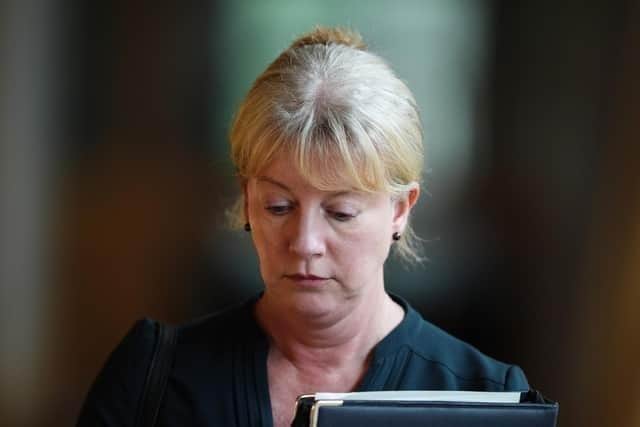
SNP Finance Secretary Shona Robison will announce in January what the Scottish Government will do with income tax - with both economic and political capital on the line.
North Sea oil and gas
The oil and gas industry has been repeatedly and relentlessly calling on the Chancellor to bring forward reforms to the energy profits levy, the so-called windfall tax on profits made by fossil fuels giants.
Offshore Energies UK (OEUK) has warned a failure to reform the tax regime until 2030 will cost thousands of jobs and potentially scupper billions of pounds in investment in renewables.
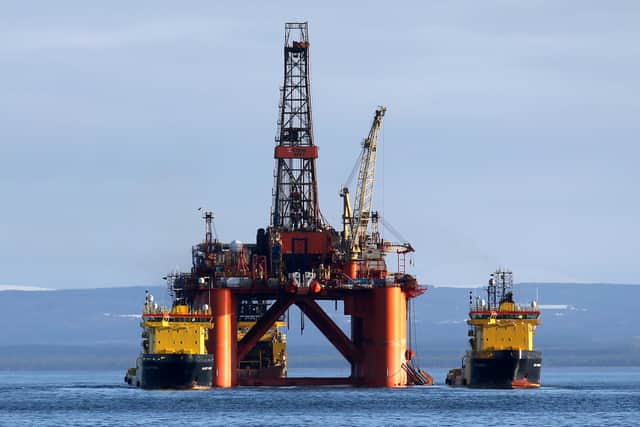
But Ms Reeves did not announce any changes to the energy profits levy during her Budget. The UK government has confirmed a compromise on its pledged ban on new licences.
The Chancellor did announce transitional energy certificates’ to manage existing North Sea fields for the entirety of their lifespan, and a new jobs brokerage service - offering end-to-end career transition support.
Wages
As announced earlier this week, the national living wage will rise from £12.21 to £12.71 an hour from April for over-21s.
The minimum wage for 18 to 20-year-olds will increase by 8.5 per cent to £10.85 an hour.
Pensions
The Chancellor is increasing the state pension by 4.8 per cent from April 2026, directly raising incomes for 1.1 million pensioners in Scotland.
Ms Reeves will limit the amount of money people can put into their private pension pot, through a scheme called a salary sacrifice, before it incurs tax.
Anything above the new £2,000 cap will incur National Insurance contributions from 2029, a move that has been estimated to raise £4.7 billion in 2029-30 and £2.6bn in 2030-31. At the moment there is no limit.
Savings
Ms Reeves confirmed £8,000 of the £20,000 tax-free ISA allowance must be invested in stocks and shares, capping the annual cash ISA allowance at £12,000.
Over-65s, though, will retain the full cash allowance of £20,000.
Energy bills
The Chancellor said she was taking action to get energy bills down quicker and cut the cost of living, with an average of £150 cut from the average household bill from next year.
Ms Reeves said she would do this by scrapping an “eco scheme” introduced by the Conservatives in government, which she claimed had cost households £1.7bn a year on their bills.
Comments
Want to join the conversation? Please or to comment on this article.