
Scottish Budget 2026: 100,000 Scots to be 'clobbered' by SNP tax tweaks

A mansion tax will be rolled out, while low and medium earners will see income tax thresholds increase
More than 100,000 higher earning Scots will be dragged into higher tax bands as a result of the SNP’s pre-election Budget, with those owning properties worth more than £1 million set to be hit by a "mansion tax" in future years.
SNP Finance Secretary Shona Robison, who delivered her last draft Budget before standing down at May’s Holyrood election, has been warned that Scotland’s middle earners “will be clobbered harder than ever before” due to her tax and spending plans.

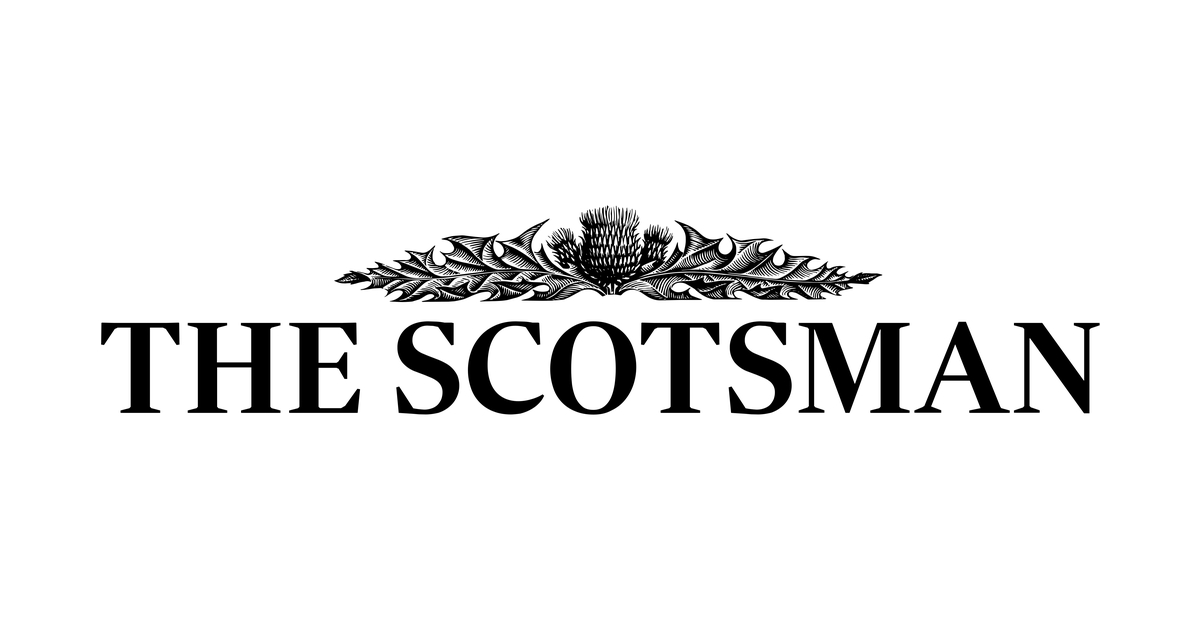
Ms Robison announced her government plans to roll out a new “mansion tax”, which it is estimated will raise £16m for local authorities to invest in services, by expanding the two higher council tax bands into four levels, with properties worth more than £1m after a new revaluation, being subject to the new levy from 2028.
But concerns have been raised that in the coming financial year, local authorities may need to resort to further council tax increases, as was the case this year, after receiving just a 2 per cent increase in funding from SNP ministers.
Speaking in Holyrood, the Finance Secretary also confirmed an increase of the threshold for the basic and intermediate income tax rates of income tax, allowing her to claim that “over 55 per cent of Scots are set to pay less income tax because they live in Scotland”.
100,000 Scots ‘clobbered’ by tax decisions
In the 2026-27 financial year, if the Budget is passed, the basic and intermediate rate thresholds will increase to £16,537 and £29,526 respectively with a 7.4 per cent hike. The higher, advanced and top rate thresholds will remain at £43,662, £75,000 and £125,140 respectively.
But the impact for Scots on low and medium incomes will be minimal, with analysis from economists at the Fraser of Allander Institute revealing that the changes “still keeps the difference for taxpayers below the median income at a maximum of £40 a year, or 75p a week”.
Ms Robison told journalists that for those on the lowest incomes, “between income tax and the social security support that they get, they will be better off by around £480 a year”.
She added that despite around 106,000 Scots being dragged into the three higher rates of income tax in the coming year, including an estimated 88,000 into the higher band, around “75 per cent of taxpayers will be unaffected by the freeze in the higher rate bands”.
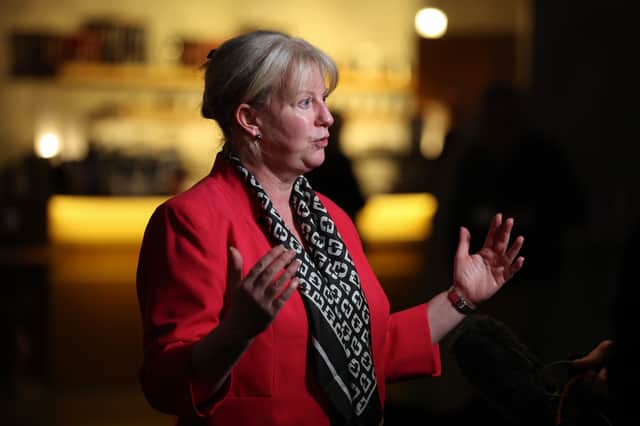
David Phillips, head of devolved and local government finance at the Institute for Fiscal Studies (IFS), said: “The biggest policy announced was a tax rise: freezing the top three income tax thresholds until April 2029, which will drag more taxpayers into higher rates of tax.
“This mirrors UK government policy, although previous tax increases on higher earners mean they face substantially higher income tax in Scotland than in the rest of the UK.”
Michelle Ferguson, director of CBI Scotland, has warned that the Scottish Government “continuing tax divergence from the rest of the UK – particularly for middle earners up – leaves firms unable to recruit highly skilled employees from across the UK and beyond and risks pushing even more talent south”.
She added: “The government must commission an independent review of its uncompetitive tax strategy.”
Scottish Conservative shadow finance secretary Craig Hoy said: “This cynical and predictable SNP Budget yet again hammers striving Scots, who already pay the highest taxes in the UK.
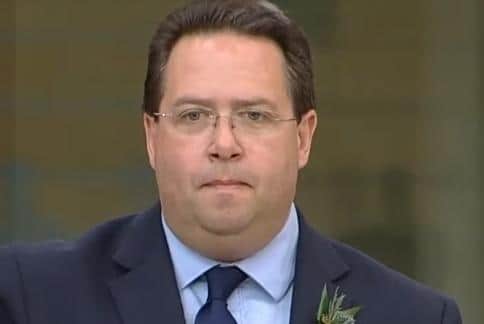
“Shona Robison’s tinkering with the lower rate tax bands produces paltry and insulting savings for some, while middle-earners will be clobbered harder than ever before.”
The Finance Secretary confirmed the Scottish Government’s flagship Scottish Child Payment will increase with inflation to £28.20 a week and up to £40 as a “premium payment” for eligible children under 12 months from 2027-28.
The Scottish Government has also tabled a record £22.5bn for health and social care, including £17.6 bn for NHS boards and resources to begin the national rollout of walk-in GP clinics, pledged by John Swinney at October’s SNP conference.
SNP ministers are also set to finally move ahead with a long-delayed devolved air departure duty and private jet tax, but it will not be rolled out in the next financial year.
READ MORE: Scottish Budget: Additional £70m for colleges as breakfast clubs pledged for all primary schools
But fears have been raised that local authorities could be poised for a further hike of council tax when they set their budgets in the coming weeks.
Council tax hike fears
Cosla, the umbrella group for Scottish councils, had demanded £16 billion for day-to-day revenue spending. But the draft Budget proposes cutting the general revenue budget from £10.9bn this year to £10.4bn next year. Overall, local government is receiving a two per cent increase in funding.
Ms Robison insisted that she has set out “a reasonable settlement” to councils. She added that "decisions about council tax will be made locally”, but added: “We would hope that council tax increases would be a reasonable level.”
A Cosla spokeswoman said: “We are carefully considering the proposals in this year's Budget and their implications for local services.
“On the announcement of new council tax bands, it is vital that councils - as the rate setters and collectors of council tax - are involved in shaping any policy relating to council tax.”
Treatment centres ‘might not be new buildings’
Ms Robison has also been forced to cut around £850m from her government’s capital spending plans, with a fleet of flagship national treatment centres now set to include repurposing current hospital buildings.
Ms Robison said the national treatment centre will now be delivered “on a more national basis”, warning “that doesn’t necessarily mean new buildings”.
She added: “It's about delivering services in a different way.
“They might not necessarily be new buildings. There will be buildings that are being used for elective care only, so you are separating out emergency and elective care, so it means you are going to get more operations and procedures done.”
The Finance Secretary said that a move that will likely include “repurposing existing facilities” is being taken due to a lack of capital funding from the UK government and “absolutely eye-watering” construction costs due to Brexit and inflation.
She also opened the door for “revenue finance models” such as private sector finance methods, “to pay for a whole new generation of primary care facilities”.
João Sousa, deputy director of the Fraser of Allander Institute, pointed to “a significant cut in spending”.
He added: “Relative to plans laid out in June, the Finance Secretary has had to cut day-to-day spending by £480m, largely due to much weaker underlying tax forecasts from the Scottish Fiscal Commission. This was on top of further uses of exceptional items and non-recurring revenues in the region of £300m.
"This Budget, then, was another example of the Scottish Government plugging an underlying deficit of over half-a-billion pounds with one-off funding pots – and even then having to make significant cuts to its planned expenditure.”
Comments
Want to join the conversation? Please or to comment on this article.