
NHS Lothian faces SNP intervention after damning 'culture of mistrust' report on Edinburgh Royal Infirmary

Staff told inspectors about ‘overwhelming feelings of helplessness’ and ‘frustration’
NHS Lothian will face increased intervention from the Scottish Government, the health secretary has said, after a damning review found a “culture of mistrust” had led to patients being harmed at one of Scotland’s busiest maternity units.
The decision comes as the director of NHS Lothian apologised after a report from Healthcare Improvement Scotland (HIS) found “serious concerns” about staffing shortages for maternity care at Edinburgh Royal Infirmary.
Health Secretary Neil Gray announced in the wake of the report the health board had been escalated to level three on the NHS support framework, meaning “significantly enhanced support” would now be provided.
He said a Scottish Maternity and Neonatal Taskforce would be set up, to listen to “women’s experiences of maternity services”, as he said he was “deeply disappointed and concerned” by the HIS report.
The unit, which will be chaired by women’s health minister Jenni Minto, will “provide strategic, national leadership”.
Mr Gray also disclosed to MSPs during a statement to Parliament on Wednesday that he “nearly lost” his wife during pregnancy after “inaccurate assessments” were carried out.
HIS said staff at the maternity unit in the Scottish capital had "overwhelming feelings of helplessness, frustration and worry for not only patient, but staff safety”.
NHS Lothian’s chief executive, Professor Caroline Hiscox, apologised to women on the back of the inspection report, describing the findings as “concerning”.

She said: “I apologise to women, people who use the service and their families, and can reassure them that these issues are being taken extremely seriously.”
Inspectors carried out an unannounced inspection back in June and have now passed on the findings to NHS bosses and the Scottish Government. They said the inspection revealed low staffing levels leading to "challenges in providing and maintaining one-to-one care for women within the labour ward”.
The inspection also found some women were waiting to be induced for more than 24 hours and staff were reluctant to submit safety reports despite raising concerns about being overwhelmed and unsupported.
Scottish Liberal Democrat and North East Fife MSP Willie Rennie called for a national investigation on the back of the findings.
Donna Maclean, chief inspector at HIS, said: “During the course of this inspection, we escalated serious concerns within NHS Lothian to senior staff and the Scottish Government. These concerns related to culture, oversight of patient safety and staff wellbeing within Edinburgh Royal Infirmary maternity services.”
The findings echo those made by NHS Lothian last year. But health board bosses say progress is being made and it is investing in women’s services.
Prof Hiscox said an improvement plan was being progressed, but it would take time to resolve some issues such as staffing, recruitment and working culture.
She said: “Significant investment and improvements have already been made. More than 70 additional midwives have been recruited and will be in post by the end of December.
“Thirty of those are already in post and we are now fully compliant with healthcare safe staffing legislation. The other 42 have been recruited to provide additional resilience and to future-proof our maternity services.”
Prof Hiscox added: “I want to reiterate the apology we made to staff earlier in the year when they told us about their concerns over staffing numbers and about a working culture that was difficult, and where bad behaviours were tolerated. That is not acceptable in any workplace.”
This investigation came after concerns were raised about the maternity unit by whistleblowers. Overall, inspectors found 26 areas where the required standards had not been met.
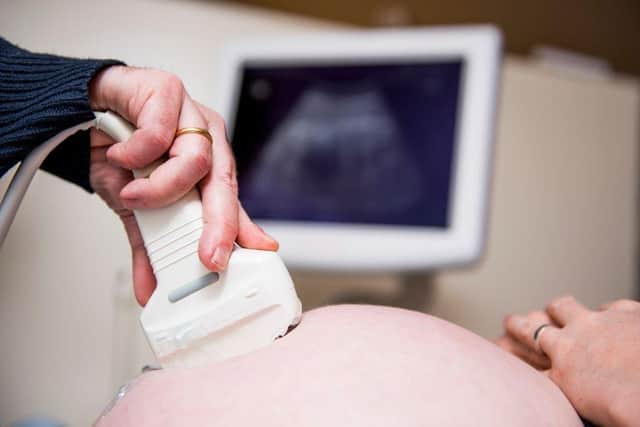
This included delays of up to 15 hours for obstetric review within the triage department and delays of up to 29 hours for labour inductions. Only 13 per cent of the charts for patients’ essential observations were fully complete at the time of the inspection. One inspector had to tell staff that a patient’s charts indicated a potential deterioration in their condition.
Inspectors also noted delays in the escalation of care, which resulted in “significant adverse outcomes” and errors because of poor communication. The majority of staff described a negative culture and inspectors said they were “emotional and tearful”.
Five of the six single rooms within maternity triage had no call bell system available and one woman told inspectors she had been in pain, but had no way to get the attention of staff.
Ms Maclean said: “Some staff were complimentary and described their line manager as supportive. However, the majority of the multi-disciplinary team we spoke with were frustrated at staffing levels and told us this presented a safety risk, which they’d raised on multiple occasions with managers.
“They shared their concerns of being overwhelmed, unsupported and not listened to.”
She added: “Our inspection has highlighted gaps in incident reporting and a reluctance to submit incident reports, with staff describing a culture of mistrust. These are concerning issues that may have significant impact on the learning from adverse events in the system and reduce opportunities to improve safety.
“Women told us of mixed experiences within the hospital. Whilst some were complimentary of their care, they also informed inspectors of poor communication that left them feeling uninformed and with no 'voice ‘in the care.”
Mr Gray said the safety and wellbeing of mothers, babies and staff was “our absolute priority”.
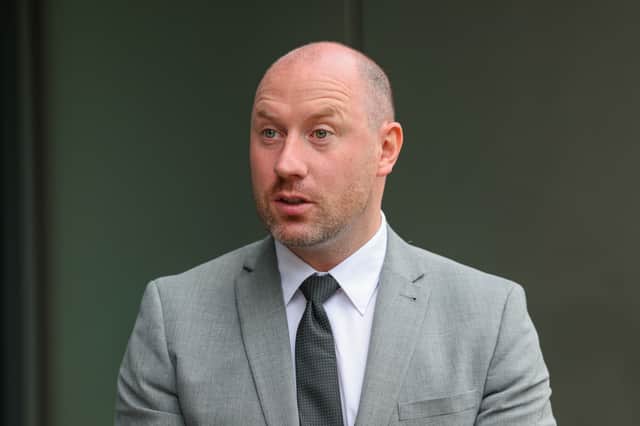
He said: “I have sought direct assurances from NHS Lothian’s chief executive that the health board are providing support to women and families using their maternity services, and to staff.
“I am also greatly concerned about the findings relating to poor culture. Every member of staff deserves to feel valued, respected and supported at work, and their wellbeing should never be compromised.
“We will not tolerate these issues in our NHS services, and they must be addressed immediately.”
Mr Gray recalled his own personal ordeal as he announced measures aimed at improving care for mothers-to be.
The father-of-four told MSPs: “I haven’t spoken about this before, but my family knows personally what it is like to suffer pregnancy loss.
“Indeed during that experience, I also very nearly lost my wife due to inaccurate assessments of ectopic pregnancy symptoms, and that stays with me every day.”
The Scottish Government is taking the issues raised “extremely seriously”, Mr Gray said, adding he wants NHS Lothian to “act immediately” on all 26 areas identified by HIS.
Stressing the need for “urgent improvements”, he said that is why the Government was stepping up the level of intervention in maternity services at NHS Lothian.
The Health Secretary added: “I expect to see evidence of improvement before the end of the year, particularly in relation to staff recruitment, training and development and handling of adverse events.”
Comments
Want to join the conversation? Please or to comment on this article.